This post was originally published on this site.
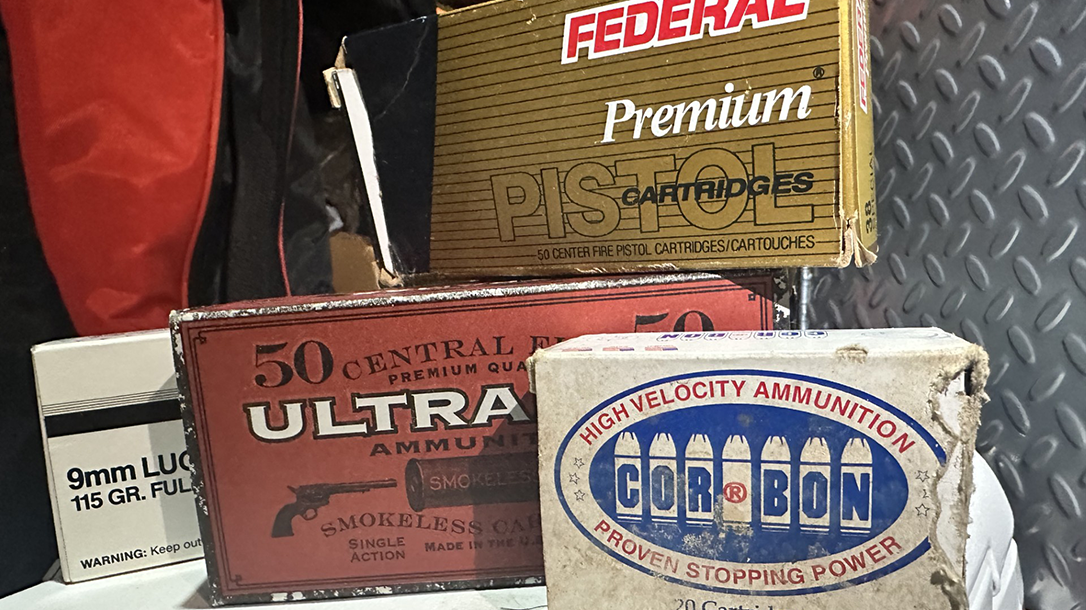
For many new shooters, ammunition can be an intimidating topic to understand. The various types and terminology can often make it confusing, resulting in misconceptions to easily develop. This not only leads to incorrect information being shared but can also give ammunition an unfair and dangerous reputation. To set the facts straight, here are five common ammo myths that you should be aware of.
Myth #1: All Ammunition Is The Same
Advertisement — Continue Reading Below
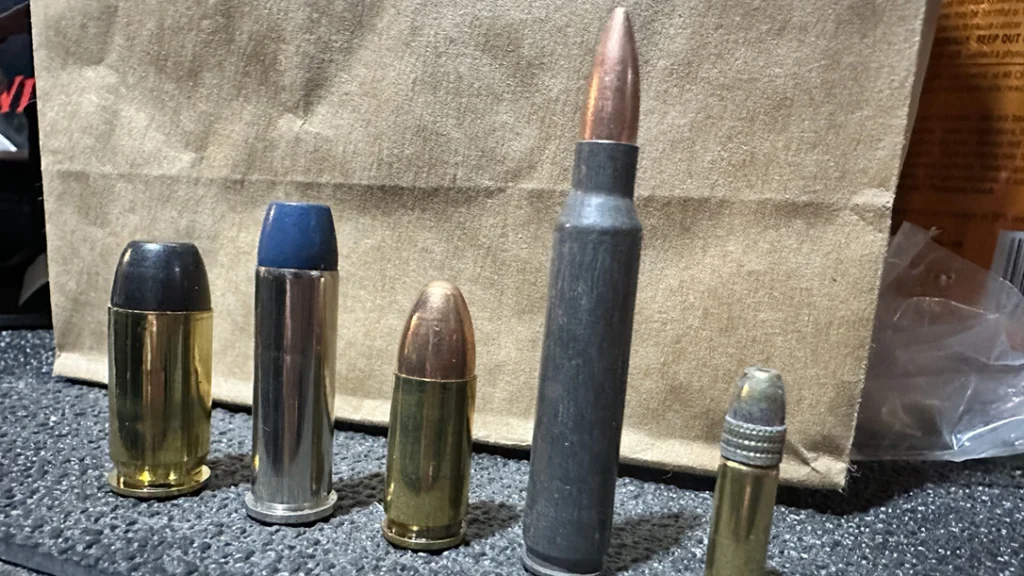
One of the most dangerous assumptions about ammunition is the belief that all types are the same and intended to be used in any firearm. Ultimately, the main factor that separates ammunition from one another is caliber. Every firearm’s chamber, barrel, and action are built with specific dimensions, requiring ammo that matches those measurements.
Purpose is another key factor that separates ammunition. Due to differences in penetration, cost, and design, ammunition used for training, hunting, and self-defense differs from one type to another. A bullet’s design can also make ammunition distinct, as its weight, type, and the material used in its construction can vary.
It is crucial to recognize that using the wrong ammunition in a firearm is extremely dangerous and can result in serious injury or damage to the firearm. To ensure you are using the correct cartridge, it is recommended to check for the caliber stamp or engraving located on the firearm’s barrel or receiver. If the stamp or engraving is unclear, you can also refer to the owner’s manual.
Advertisement — Continue Reading Below
Myth #2: Ammo Has A Short Expiration Date
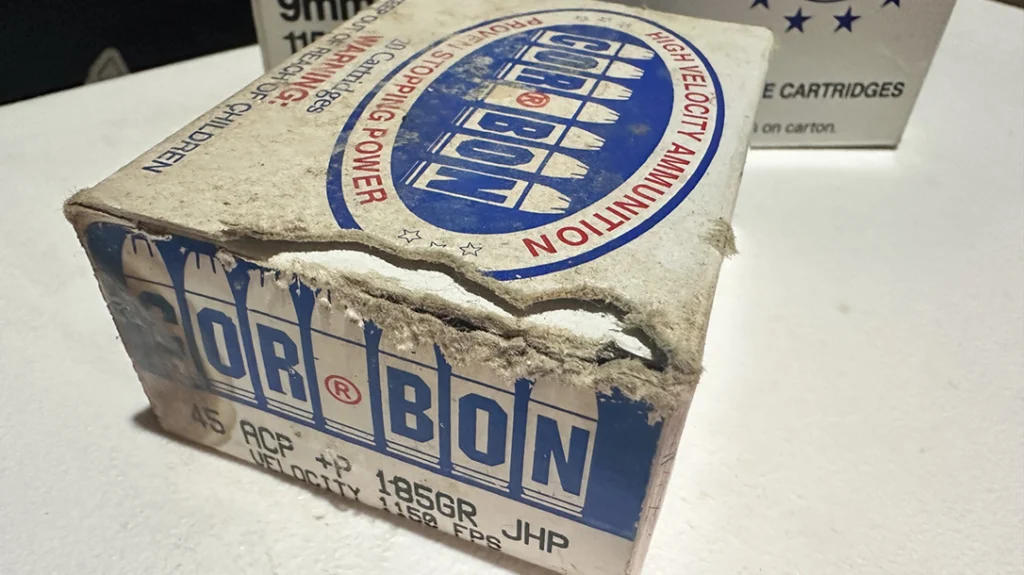
When properly cared for, ammunition can actually last decades, even 50 years or more. However, factors such as high humidity and drastic temperature changes can make ammunition prone to corrosion, primer failure, and powder degradation. This means storing ammunition in a cool, dark, dry area is essential to extend its lifespan and preserve the cartridges. Examples of suitable storage include a climate-controlled gun safe, an airtight container, or using desiccant packs.
Myth #3:Cartridges Will Explode If Dropped
Advertisement — Continue Reading Below
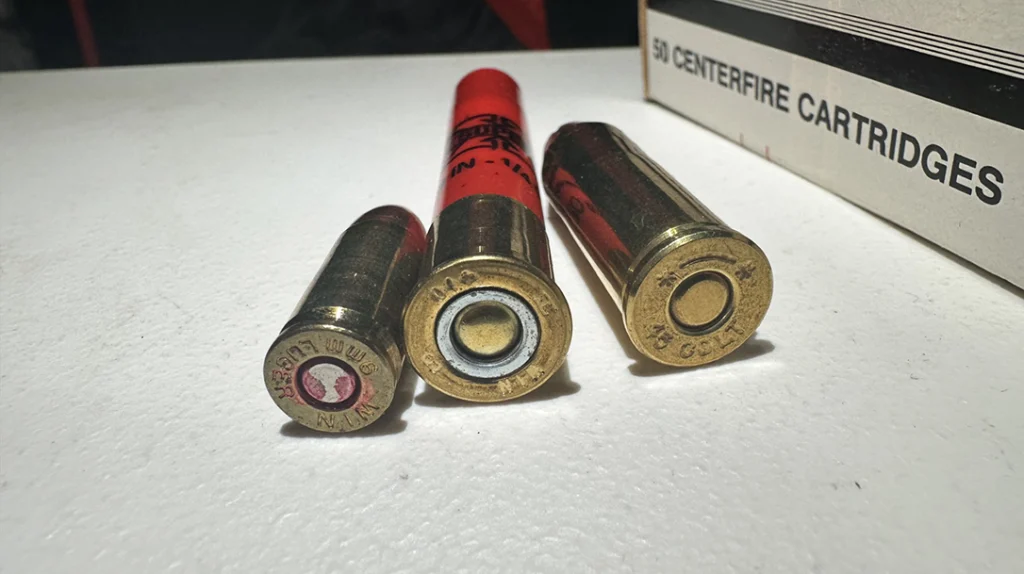
One misconception about ammunition is that it is likely to explode if dropped. For a bullet to fire, the firing pin must make a direct strike onto the primer. Most cartridges that are accidentally released tend to fall tip first, protecting the primer from impact. However, in a rare event acartridge does fire after being dropped, the casing may split open, and the bullet will move at a lower frequency. Ultimately, you may hear a single loud pop, but no explosion will occur. To prioritize safety, It is highly recommended to always handle ammunition with care.
Myth #4: Ammunition is Waterproof
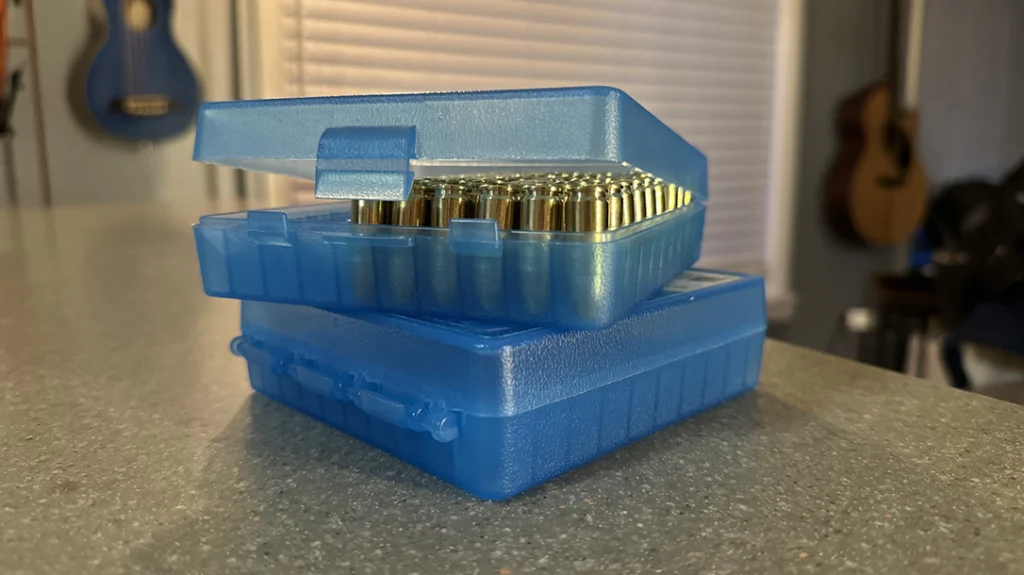
Most ammunition is water-resistant, not waterproof. Modern cartridges are built with sealants around the primer to help keep gunpowder dry. These sealants can be made from lacquer, wax, or polymer. If a cartridge has been briefly exposed to either rain or a puddle, it is often still useable. Just be sure to dry the ammunition and inspect for any damage before use.
Advertisement — Continue Reading Below
Ammunition that has been fully submerged in water for a prolonged period of time can ruin primers and powder, resulting in failure to fire. To prevent a safety risk, it is best to properly dispose unusable ammunition by either contacting a local police department, a hazardous waste facility, or a local gun range. Never discard damaged ammunition in the household trashcan.
Myth #5: Larger Bullets Are Better
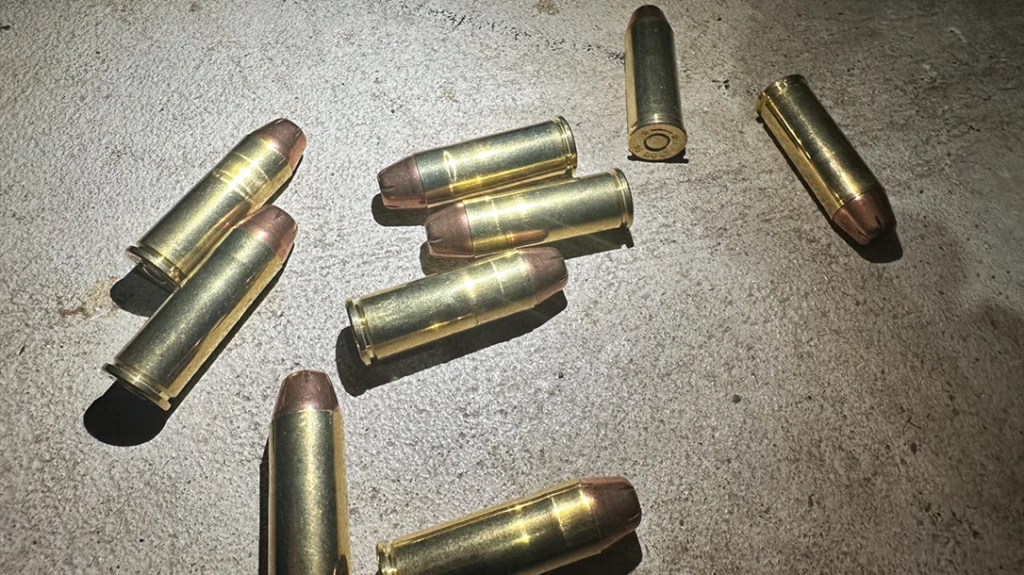
One benefit of larger bullets is that they offer greater stopping power and penetration capabilities, which can lead to the impression that a larger caliber is automatically better than its smaller counterparts. However, factors such as mass, velocity, and bullet design play a fundamental role in determining how effective ammunition can be. Smaller, lighter bullets tend to offer less recoil, flatter trajectories, and higher velocities, making them an option worth considering.
Advertisement — Continue Reading Below
Another often overlooked factor is shot placement. A smaller-caliber shot to the heart, lungs, and central nervous system, can be ten times more effective than a larger-caliber round that hits a non-vital areas.
Parting Thoughts
Ammunition is a fundamental component of firearms, which means that educating yourself on the common myths and misconceptions about ballistics is essential. Once you understand that not all ammunition is the same, that is can last for decades, is unlikely to explode if dropped, it iswater-resistant, and that larger calibers does not always mean better, you are off to a strong and successful start.
The post Busting 5 Common Ammo Myths appeared first on Athlon Outdoors Exclusive Firearm Updates, Reviews & News.
Advertisement — Continue Reading Below